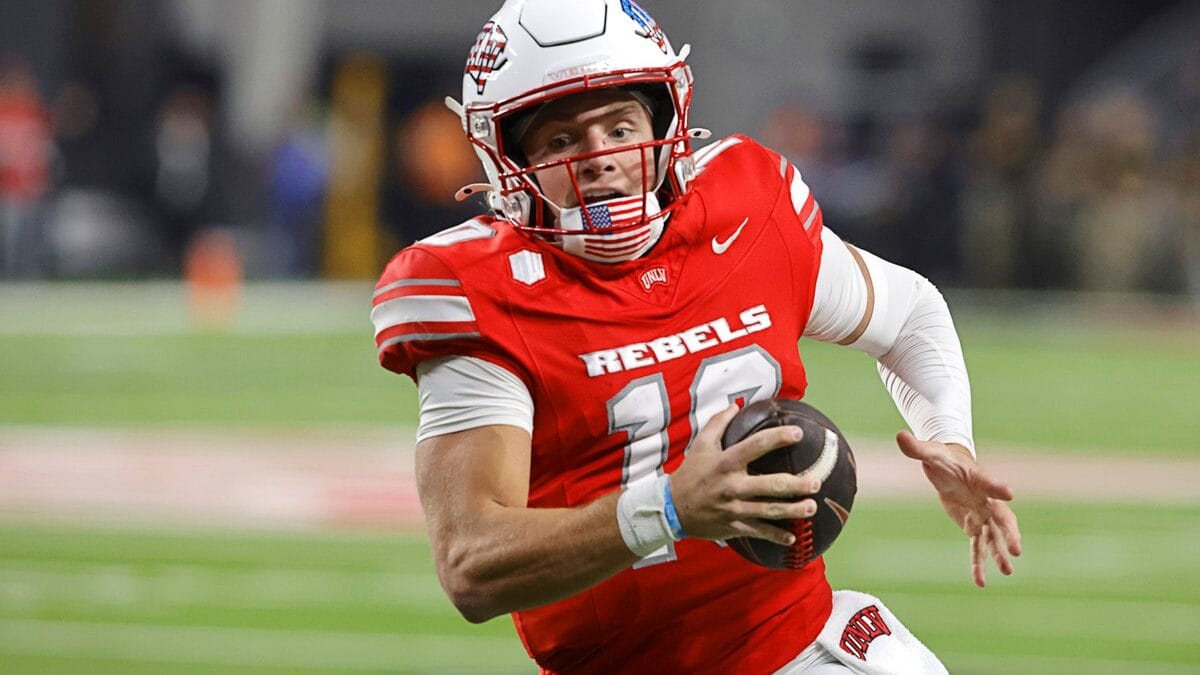
The honeymoon period for Matt Rhule’s «Big Red Rebuild» is officially over. As Nebraska football enters the critical 2026 season, the narrative has shifted from «trusting the process» to «needing results.» With a revamped coaching staff and a polarizing new quarterback under center, the expectations in Lincoln have reached a fever pitch. But is this team truly ready to compete in a brutal Big Ten, or are we setting ourselves up for more heartbreak?
The headline of the offseason is undoubtedly the arrival of Anthony Colandrea. The transfer from UNLV isn’t just a replacement for Dylan Raiola; he’s a completely different animal. While Raiola brought five-star prestige, Colandrea brings «moxie» and elite dual-threat mobility. Early reports from spring practice suggest that Offensive Coordinator Dana Holgorsen has finally found his ideal «coach on the field.» The expectation is a faster, more unpredictable offense that can punish teams both through the air and on the ground—something Nebraska hasn’t consistently seen in years.
The «Aurich Era» on Defense
On the other side of the ball, the expectations are even more experimental. New Defensive Coordinator Rob Aurich is scrapping the 3-3-5 in favor of a 4-2-5 scheme. The goal? More speed on the edges and a secondary that can keep up with the explosive passing games of Oregon and Washington. Fans are expecting a «no-name» defense that relies on discipline and rapid-fire tackling rather than individual stars.
Year 4: The Final Frontier
Coach Matt Rhule has been vocal this week, clapping back at critics who call Nebraska’s 2026 schedule «impossible.» Instead, Rhule is using the high-stakes slate as a recruiting tool, promising fans that this team is built for the grind. With 34 first-round picks in Husker history as a backdrop, the current roster knows the standard. The expectation isn’t just a bowl game anymore; it’s a statement that Nebraska is back.